TDK-Lambda Americas Blog
Centralized versus decentralized DC-UPS systems
Wednesday, October 14, 2026
Traditionally an AC input UPS (Uninterruptable Power Source) has frequently been the most popular method of keeping electrical equipment operating during a temporary loss of AC power. This was discussed in an earlier blog What are the benefits of using a DC UPS? | Blogs | TDK Lambda.
The critical demands of today’s modern manufacturing though require more functionality, faster response times, tighter security and the ability to easily upgrade to match changing production needs. This has led to an increase in popularity for decentralized DC-UPS systems.
The benefits of selecting a decentralized DC-UPS
Traditional centralized UPS systems have potential limitations in that they can be vulnerable to a single point of failure, disrupting operation of equipment and processes. Replacement or maintenance of a centralized UPS can result in more complex and time-consuming repairs.
Decentralized DC-UPS systems like the TDK-Lambda DUSH (Figure1) are equipped with advanced monitoring capabilities that provide real-time insights into the performance and health of each unit. This continuous monitoring allows for the early detection of potential issues, enabling proactive maintenance measures before problems escalate. By identifying and addressing issues promptly, decentralized systems help prevent unexpected failures and extend the lifespan of the equipment. This proactive approach not only enhances system reliability but also contributes to cost savings by reducing the need for emergency repairs and replacements.
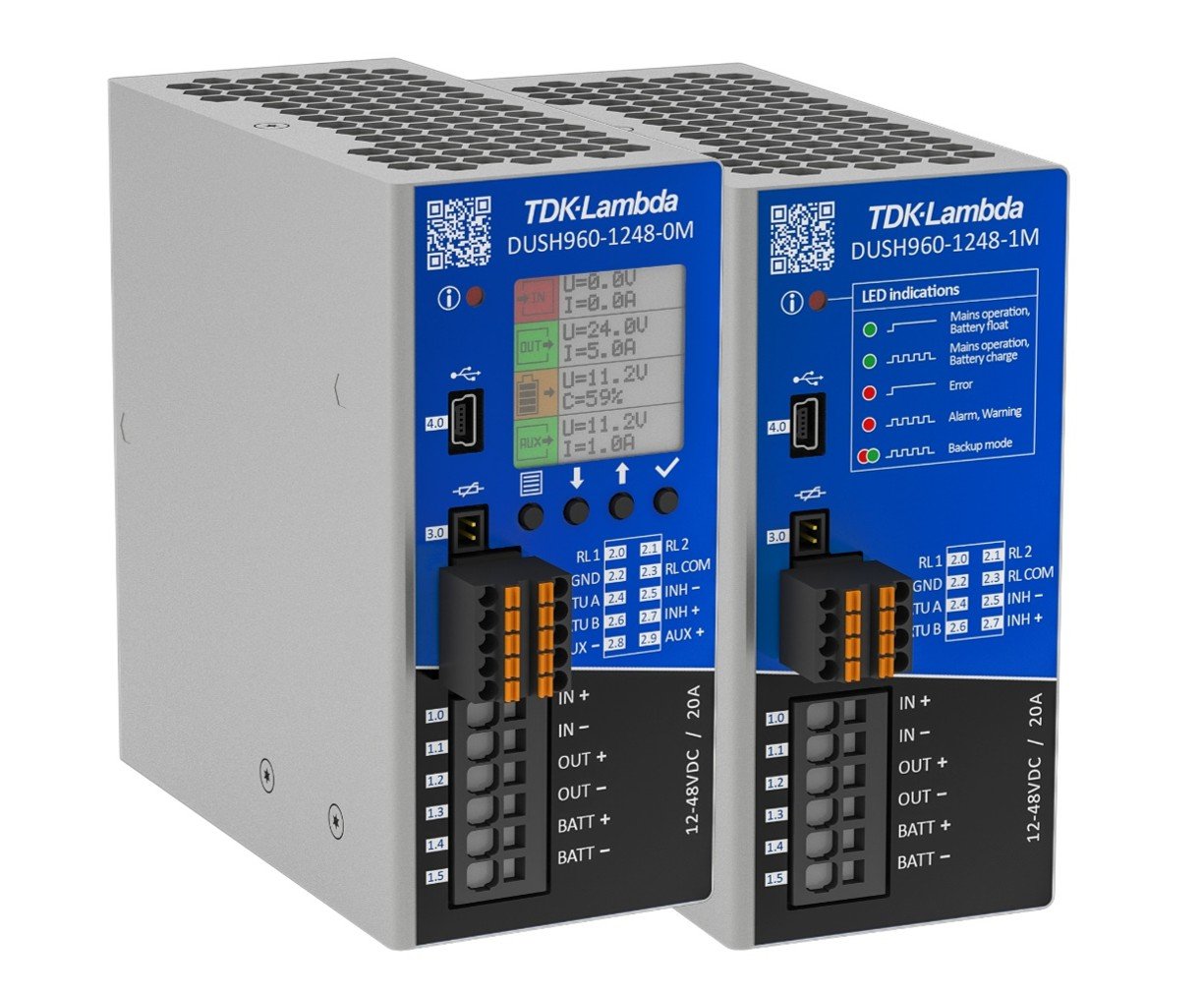
Figure 1: TDK-Lambda’s DIN rail mounted DUSH DC-UPS
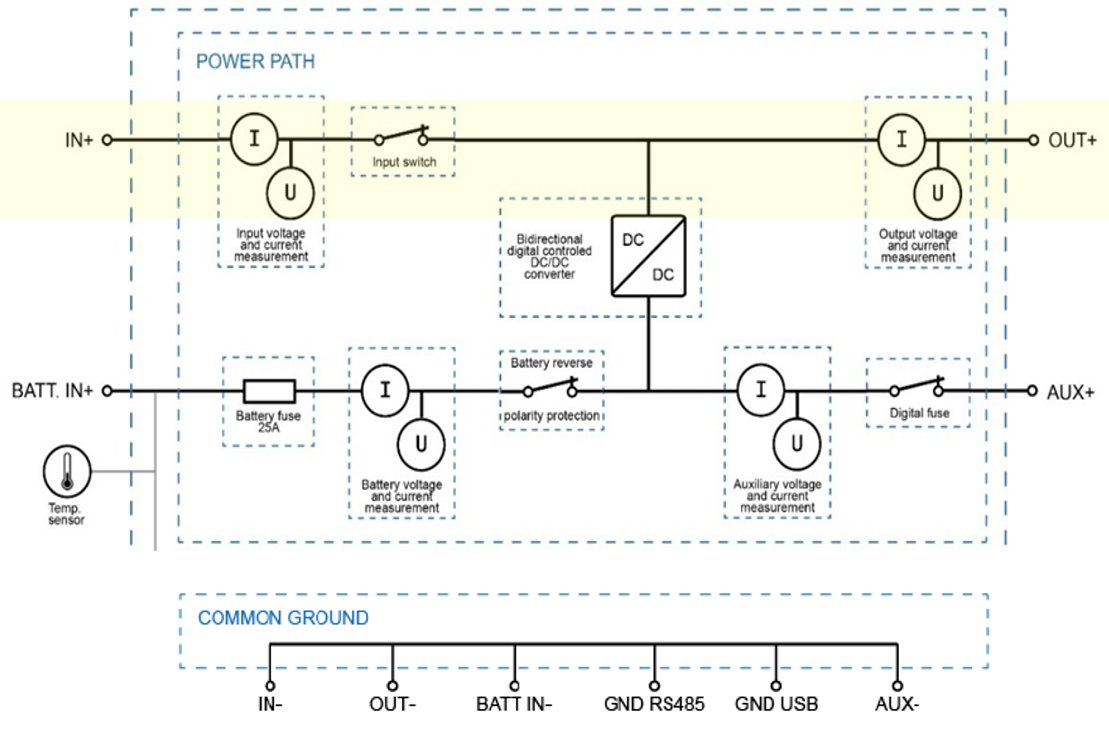
Figure 2: DUSH Input to Output path (for the full block diagram see the DUSH datasheet)
The system DIN rail power supply positive terminal is connected to the IN+ terminal of the DUSH DC UPS and the common terminal to IN- (the common ground point).
The Input to Output path of the DUSH is unregulated and has a nominal range of 12 to 48V, with a maximum of 10V to 60V. Note, there is no protection on the DUSH input to output path. Therefore, a suitable AC-DC power supply must be used at the input of DUSH. In addition, an appropriate fuse for the input protection must be installed at the input of the DUSH. The AC-DC power supply connected to the input of the DUSH UPS must correspond to the maximum capability of DUSH UPS to avoid damaging the input/output path. The short-circuit characteristics of the AC-DC power supply must also be considered to avoid damage to the load. A constant measurement of the voltage and current on the input and output is used for the internal monitoring and alarm functions.
Battery to Output path
The Battery to Output path of the DUSH is regulated by a bidirectional DC/DC - buck/boost converter. The converter, the installed battery voltage, and the set output voltage can differ. It is therefore possible that the installed battery voltage differs from the output voltage. If a lower battery voltage is used, the output power will be reduced accordingly. The Battery to Output path contains an internal 25A fuse for battery input protection, in addition to battery reverse polarity protection. The internal battery fuse is not user replaceable. Consistent measurement of the voltage and current on the battery input and the output is used for battery health monitoring as well as the charge and discharge regulation. In addition, it is also used for monitoring and alarm functions. The additional measurement of the internal resistance of the battery supports battery health monitoring. The DUSH has an internal temperature sensor which can complement the DTX temperature sensors which are sold separately.
Battery types
Nickel:
Advantages
- Rugged, high cycle count, NiMH has 30–40 percent higher capacity than NiCd
- Can be ultra-fast charged with little stress
- Long shelf life; can be stored in a discharged state
Limitations
- Memory effect; needs periodic full discharges, high self-discharge
- Low cell voltage of 1.20V requires many cells to achieve high voltage
- Requires complex charge algorithm
Lithium
Advantages
- High specific energy and high load capabilities, Low self-discharge
- Long cycle and extended shelf-life; maintenance-free
- High capacity, low internal resistance, good coulombic efficiency
Limitations
- Requires protection circuit to prevent thermal runaway
- Transportation regulations required
- Internal BMS can be critical in UPS usage
Supercapacitors
Advantages
- Virtually unlimited cycle life
- High specific power; low resistance enables high load currents
- Charges in seconds; no end-of-charge termination required
Limitations
- Low specific energy; holds a fraction of a regular battery
- High self-discharge; higher than most batteries
- High cost per watt
Other parameters
The cost differences of the different technologies could be a decision factor including their temperature range
There are batteries available for harsh environments to withstand higher temperature ranges
The safety restrictions in the environment of the application can affect the decision for a battery type. Lithium, for example, could have a significantly higher safety level than other battery types in terms of fire protection.
The temperature compensated charging of the battery only works with the external temperature sensor and is necessary only if a lead battery is used. This is not a problem if the battery is in the same cabinet as the DUSH as the temperature is the same throughout the cabinet. Typically, the battery will be placed next to the DUSH or close-by on a separate shelf in the same cabinet and will work adequately without the external temperature sensor.
For more details, visit the DUSH webpage at: https://product.tdk.com/en/power/dush